 Academic guidance for prospective students abroad
What will change for prospective students abroad after the introduction of the euro in 2026?
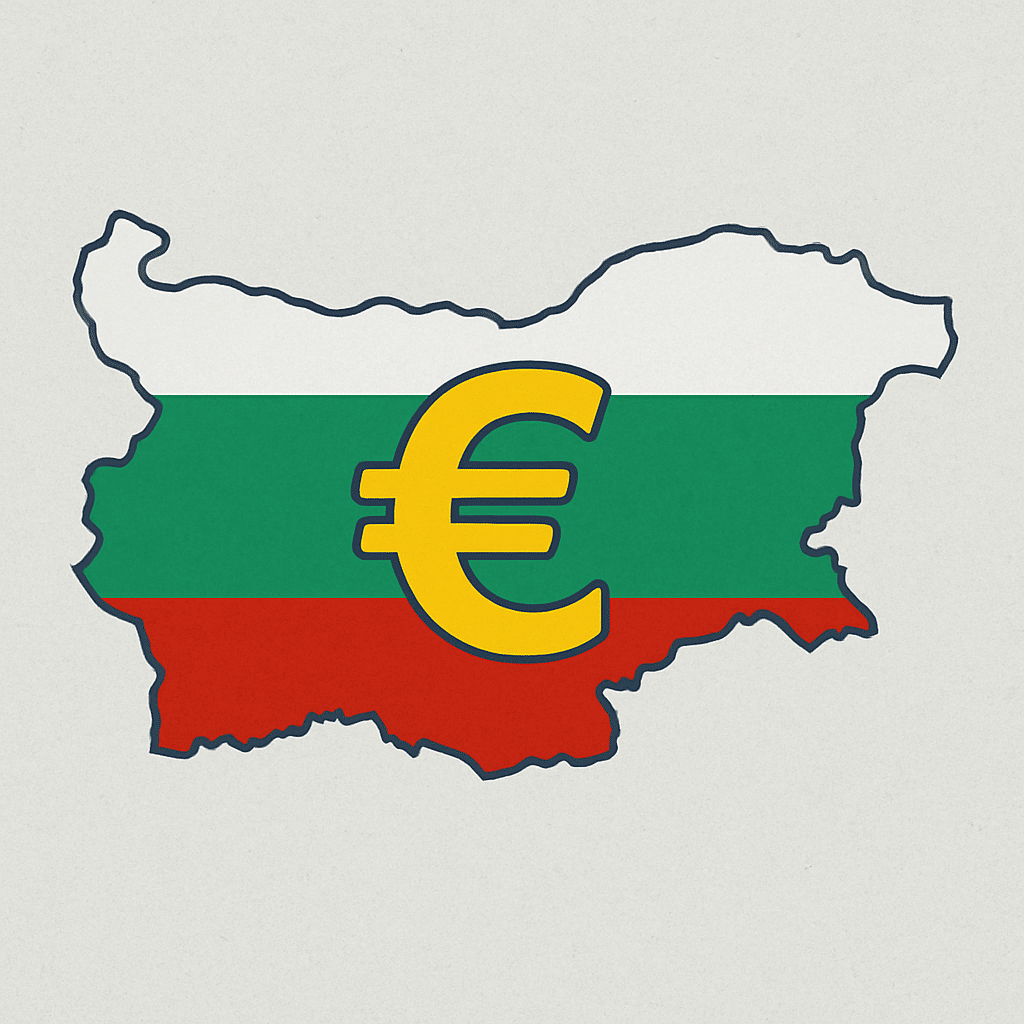
Single currency = fewer barriers for students abroad
Bulgaria prepares to adopt the euro as its official currency from 1 January 2026. This change raises concerns for many people, who are asking questions about how exactly this will affect different aspects of their lives. However, prospective students can breathe a sigh of relief! The good news is that the introduction of euroit will greatly facilitate the process of preparing, applying and living in Europe.
In this article we will look at in detail:
✔️ How the application process will change
✔️ What will happen to fees and bank transfers
✔️ How the euro will affect life abroad
✔️ What requires attention from applicants and their parents
1. Easier comparison of tuition fees in different countries
At the moment, when you apply in France, Germany or the Netherlands, you have to you convert everything from euro to levto assess where training is more affordable. After 2026. you will be able to think directly in euroswithout the need for a currency calculator.
- Example - Fee of 2 530 euros in the Netherlands = ~ 4 950 BGN. After the introduction of the euro: just €2 530 - more transparent and clear.

2. Applying will be cheaper and faster
In the current situation when paying application fees by bank transfer (e.g. UCAS or universities in Italy, Germany, Czech Republic) banks charge fees for revalue. After the adoption of the euro, these fees will be droppedif the university accepts payments in euros - which is true for most in the EU. Payment will be easier through the SEPA system (European standard for bank transfers), no additional fees and delays.
3. Easier account opening and money management abroad
After the introduction of the euro, students will be able to open bank accounts abroad without the need for currency exchange. They will also be able to use their Bulgarian cards in euro area countries net of exchange losses. And, perhaps most importantly - they will be able to send and receive money to/from parents no additional bank charges. That's what life abroad does more financially predictable from day one.
4. Documents and grants - more transparent and easy
Scholarships abroad paid in euros (e.g. Erasmus+, DAAD, Campus France) will be available to used directly in Bulgaria without conversion and losses.
Also, any documents requesting information on parents' income, assets or fees will now be in the same currency - less confusion when filling in forms.
5. Preparing for life abroad becomes easier
When you prepare to study in Europe, you have to make a budget - rent, food, transport, etc. Until now, this meant:
-
- Conversion from euro to lev
- Tracking exchange rates
- Fear of fluctuations in the value of the lev
After 2026 your budget will be in one currency - euro - and you'll be able to compare more easily:
|
Country |
Average monthly cost |
|
Germany |
~1 000 euros |
|
Netherlands |
~1 200 euros |
|
Italy |
~900 euros |
|
Poland |
~700 euros |
|
France |
~1 100 euros |
That way you can more accurately assess where you can afford to live, and whether you need a scholarship or a job.
6. What to watch carefully
- Don't be fooled by the numbers - the fee of "3 000 BGN" will look like "1 535 euro", but its value remains the same.
- Be careful with roundings - when recalculating, some services may increase slightly (e.g. from BGN 4.80 → EUR 2.50).
- Plan your spending in euros - especially if you're starting your studies in 2026 or 2027.

7. Conclusion
Bulgaria's entry into the euro area will make the application and life of Bulgarian students in Europe easier, cheaper and more accessible. This is good news for all students who dream of studying abroad - whether it is a Bachelor's or Master's degree.
With one currency in your pocket and Europe at your fingertips - 2026 will be a year of new opportunities for Bulgarian prospective students.
 Bulgarian